A third-party guide to emoji meanings used on the REDnote app. Discover the cultural context behind each emoji and find the perfect expression for every message.
This is an unofficial, fan-made guide. Not affiliated with or endorsed by REDnote.
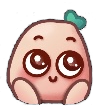
Smile
Smiling expression, but this emoji doesn't necessarily indicate a smile in China. Young people usually use it to express speechlessness or a death stare, because the eyeballs in WeChat's smiling emoji look downward, which is a bit scary.
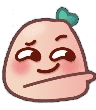
Shy
Indicates shyness, usually used after receiving compliments. Chinese people are generally shy and reserved, becoming bashful when praised. It can also be used to express anticipation.
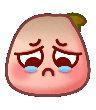
Disappointed
Expresses disappointment, typically used when feeling let down by colleagues or bosses at work, or between couples in relationships.
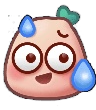
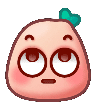
Embarrassed
Indicates awkwardness, usually used when encountering embarrassing situations, such as seeing an unusual viewpoint.
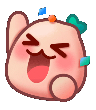
Wow
Shows surprise and delight, with stars in the eyes. Sometimes used for good luck, such as in comments under posts about winning prizes.
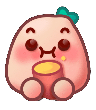
Drink bubble tea
Expresses happiness, as Chinese people are particular about food and drink, becoming happy with good food. This emoji shows a momo character hugging bubble tea with a happy expression, can be used when eating delicious food or expressing general happiness.
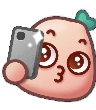
Selfie
Selfie emoji, similar to 🤳, usually used when wanting to leave a comment on a post to indicate "I was here."
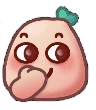
Giggle
Giggling, as if discovering a secret or sharing an unspoken understanding between like-minded people.
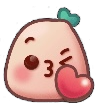
Kiss
Flying kiss, similar to emoji 😘, usually used when seeing attractive people, and sometimes for cute babies or adorable pets.
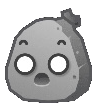
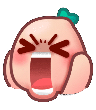
Stunned
This emoji is called "petrified" in Chinese, meaning stunned, shocked to the point of being unable to move, somewhat similar to the 🗿 (Moai statue) emoji.
Laugh and cry
A mix of laughter and bitterness, frequently used. Can express bitter smile, like when facing unfair treatment at work; can also indicate something is very funny, laughing until tears come out.
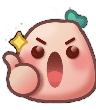
Like
Thumbs up, expressing like, usually used to show strong agreement with a viewpoint.
Waiting for updates
Indicates waiting for updates, such as when someone posts multiple parts like a TV series, leaving this comment to show waiting for updates, can be used together with eating melon.
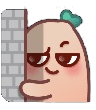
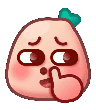
Observing quietly
Usually used to indicate watching or expecting a reply, can also show understanding of a hint. Designed based on a popular meme of an orange cat hiding beside a wall.
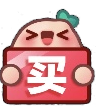
Buy a lot
The emoji has the Chinese character "买" (buy), meaning shopping spree, usually used when seeing desirable products or during Chinese shopping festivals.
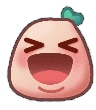
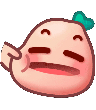
Laugh
Big laugh, indicating something is very funny.
Drooling face
This emoji is called "seductive" in Chinese, directly translating to seeing attractive people and physically drooling over them.
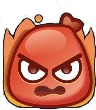
Angry
Extremely angry, breathing fire, similar to emoji 😡 but expressing a higher degree of anger.
Cry
Crying hard, similar to emoji 😭, crying so much that tears flood oneself, usually used to express feeling wronged and seeking comfort.
Cute
Indicates cuteness, can be used to express liking for cute things, or to show anticipation.
Knowing look
Indicates understanding some implied meaning.
Pity face
Shows pitiful and wronged feelings, also implying a need for comfort.
Rolling eyes
Rolling eyes, similar to emoji 🙄, expressing speechlessness or contempt.
Frown face
Frowning expression, can indicate worry, also conveying a sense of sympathy.
Crazy face
Crazy expression, similar to emoji 😫, usually indicating being driven crazy by some kind of pressure.
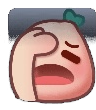
Cover face
Face-palm expression, somewhat similar to 🤦, can express speechlessness or helplessness.
Party
Party expression, let's be happy together.
Enjoy eating
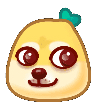
Sweet potato eating expression, a homophone for Xiaohongshu in Chinese, generally indicates focused eating, also means watching drama, similar to eating melon emoji.
Scared
Terror, similar to emoji 😱, a classic expression indicating shock.
Pick nose
Picking nose, inspired by the Chinese comedy character Ru Hua, who is a bearded man dressed as a woman, using this contrast for humor. This emoji can express witty humor or quietly watching drama.
Goodbye
Goodbye expression, because the eyes look down giving a death stare feeling, Chinese youth usually use it to indicate cutting ties, meaning never seeing again. But some people mistakenly use it as a greeting.
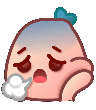
Sigh face
Indicates sighing, similar to emoji 😮💨, can express fatigue from work or relationships.
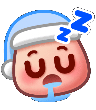
Sleep face
Sleeping expression, usually used to say goodnight or goodbye.
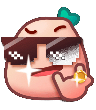
Proud face
Expresses pride, can also show off, similar to emoji 😎 but more intense.
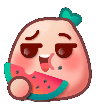
Watching drama unfold
Literally, 吃瓜 (chī guā) means “to eat watermelon.” In Chinese internet slang, it means following gossip or watching drama unfold without getting involved. People who do this are called 吃瓜群众 (chī guā qún zhòng), or “melon-eating onlookers.”
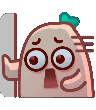
Shocked and hold wall
Indicates receiving a huge shock, to the point of being unable to move and needing to lean against a wall to recover.
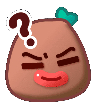
Confused nick young
Question mark expression, somewhat similar to emoji ❓, design inspired by NBA star Nick Young, the "Black guy confused face" is used in China to express confusion with a sense of humor.
Cute happy face
Can express happiness or anticipation, the whole expression turns golden when happy.
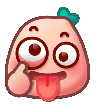
Zany face
Sticking out tongue playfully, similar to 🤪, making faces. Usually used to express witty humor.
Pull cheek face
Indicates encountering something cute and wanting to pinch it, such as when meeting cute children or pets, using this emoji to show affection. Inspiration likely comes from Japanese anime face-pinching expressions.
Doge
Classic doge expression, can indicate understanding hints, can be used when speechless, can also show proving one's innocence, very versatile in usage.
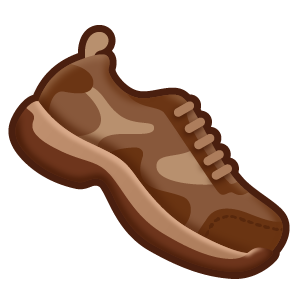
Hiking Boots
Boots made for hiking and trekking. Their grippy soles help you keep your footing on uneven or slippery ground.
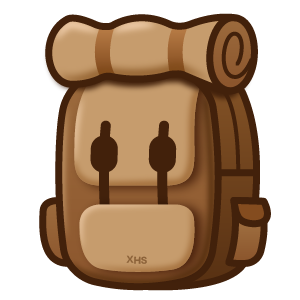
Backpack
A backpack that looks ready for a camping trip.
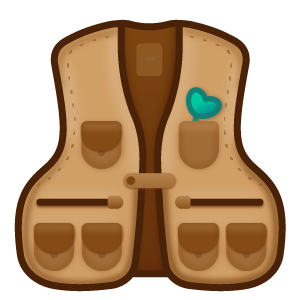
Outdoor Vest
An outdoor or fishing vest, with the little green sprout characteristic of REDnote stickers peeking out of a pocket.
Cycling Jersey
A jersey made specifically for cycling.
Cycling Gloves
Gloves worn while cycling.
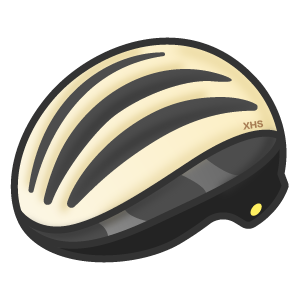
Cycling Helmet
A helmet for cycling.
Cycling Goggles
Protective eyewear for cycling.
Road Bike
A road bike, typically with narrow tires and a lightweight frame built for speed.
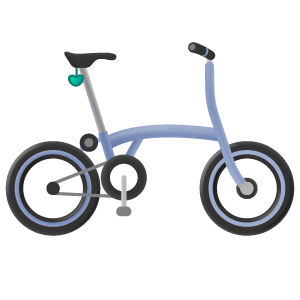
Folding Bike
A folding bicycle. Its design appears to take inspiration from the British brand Brompton.
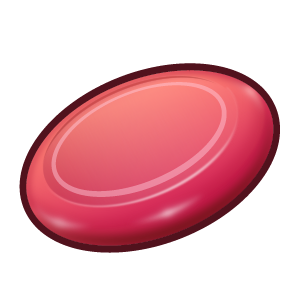
Flying Disc
A flying disc for playing together on a patch of grass or another open space. You can also play fetch with a dog.
Surfboard
A surfboard.
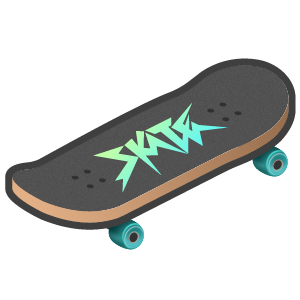
Double-Kick Skateboard
A skateboard with both the nose and tail turned slightly upward.
Surfskate
A board with a special front truck that recreates the carving feel of surfing on dry land.
Longboard
A board rooted in surfing, longer and wider than a typical street skateboard, used for riding and getting around.
Tempted to Buy
种草 (zhòng cǎo), literally ‘planting grass,’ means being tempted by a recommendation. A post, review or ad makes you really want a product or want to visit a place: the desire takes root like grass. 拔草, ‘pulling out the grass,’ removes that desire, either by buying the item or deciding against it. Similar to 🌱.
Getting It Off Your Wishlist
拔草 (bá cǎo), literally ‘pulling out the grass,’ means putting a shopping temptation to rest. It can mean two opposite things: finally buying what you wanted, or learning more and deciding not to buy it. The Chinese description estimates the split at 70% buying and 30% passing; those figures are an editorial estimate, not measured usage data.
Thumbs Up
A raised thumb showing approval: ‘I agree,’ ‘nice one’ or ‘well done.’
Pointing Right
An index finger pointing to the right.
Palms Together
Two palms pressed together. Some people also read the image as two people close together, expressing affection.
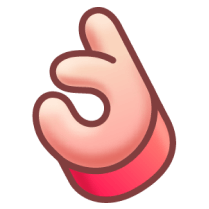
OK
A hand making a circle with the thumb and index finger to say ‘OK.’
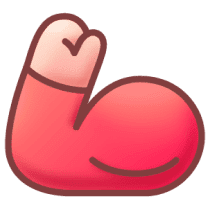
You’ve Got This
A flexed arm showing its biceps. It stands for strength or exercise; the Chinese label 加油 also makes it a way to cheer someone on.
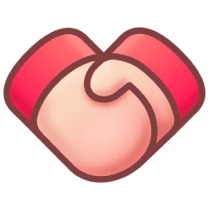
Handshake
Two hands shaking: a friendly greeting between friends or colleagues. The Chinese note also mentions teasing about flirtation between men in some chats; that is a context-dependent reading, not a general rule about Chinese men.
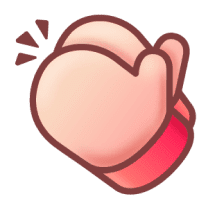
Applause
Two hands clapping. Repeat it to give someone a whole round of applause.
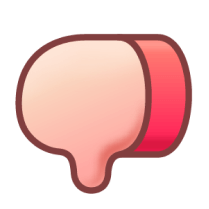
Thumbs Down
A downward-pointing thumb. In banter between friends, it can mean ‘weak!’ or ‘you’re no match for me.’
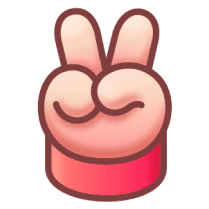
Yes!
A victory sign. In Chinese chats it often celebrates getting something you wanted, such as finally snagging a favorite celebrity’s merchandise.
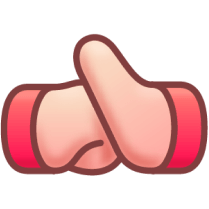
Fist-and-Palm Salute
抱拳 (bào quán) is a traditional Chinese greeting and gesture of thanks: the left palm covers the right fist. It combines strength with respect, like a kung-fu-style handshake without physical contact. In chats it often expresses heartfelt gratitude, admiration or ‘much appreciated.’
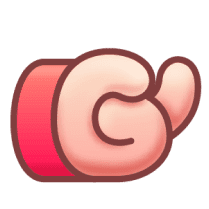
Come Here
勾引 (gōu yǐn) mimics curling a finger toward yourself: ‘come here.’ In Chinese chats it can be a playful invitation, a teasing ‘come on over,’ or something more flirtatious.
Raised Fist
A clenched fist for strength, determination or cheering someone on. Between friends, it can also jokingly say ‘keep that up and you’re getting a punch!’ Read it alongside the message.
Hug
Open arms offering a hug, usually to comfort someone.
Hand Up
Someone raising a hand, as if asking or answering a question.
Piggy
猪头 (zhū tóu), literally ‘pig head,’ can be an affectionate nickname between partners or close friends. In that setting it means something like ‘you silly,’ mixing fondness with playful exasperation rather than a serious insult.
Tiger
A tiger’s head for the animal, the Year of the Tiger or someone born under that zodiac sign. It can also describe a lively child or someone bold and full of spirit.
Besties
集美 (jí měi) is a playful sound-alike of 姐妹, ‘sisters.’ Online, women use it as a warm, humorous way to address friends and fellow users: ‘besties,’ ‘girlies’ or ‘you’ve got this, sis.’
Fairy
仙女 (xiān nǚ) resembles 🧚♀️. In Chinese chats, calling someone a ‘fairy’ praises her as ethereally beautiful. Friends, partners and fans use it for ‘you look stunning’ or ‘a fairy has come down to earth’; it can also be a playful self-compliment.
REDnote
The red book stands for Xiaohongshu, also known as REDnote, the Chinese lifestyle-sharing and shopping platform. It resembles 📕 but often has ‘RED’ on the cover. In a bio or chat, ‘follow my 📕’ means ‘follow me on REDnote.’
Unboxing
A REDnote-branded box with ‘RED’ printed on it. In Chinese posts it signals an unboxing, a product recommendation or ‘my parcel’s here!’ It fits the platform’s culture of sharing purchases and tempting others with new finds.
Checking Out a Local Spot
探店 (tàn diàn) means visiting a place and sharing the experience. On REDnote, creators use it for reviews of trendy restaurants, photogenic cafés and boutiques, with photos and tips from their visit.
Outfit of the Day
OOTD means ‘outfit of the day.’ On REDnote it labels daily outfit inspiration, fashion finds, mirror selfies and street-style posts.
Want the Same One
同款 (tóng kuǎn) means the same item or style. On REDnote it can ask ‘where can I get that exact one?’ after seeing someone’s clothes, makeup or other finds, or label a product as the same one a creator uses.
Check-In
打卡 (dǎ kǎ) can mean documenting a visit to a restaurant, attraction or gallery, or checking in on a daily habit. On REDnote it covers both ‘been there!’ posts and streaks for workouts, studying or getting up early.
Airplane
A plane for flying and travel. On REDnote it fits flight-booking tips, airport stories, trips and studying abroad: ‘flying out tomorrow!’
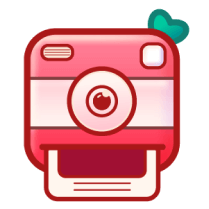
Instant Camera
An instant camera for retro-looking photos and little snapshots of everyday life. On REDnote it often labels film-style photography, travel memories and moments made a little more special by printing them.
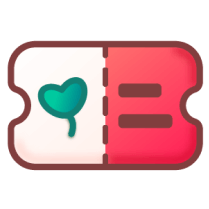
REDnote Voucher
薯券 (shǔ quàn) is a REDnote-themed name for coupons and shopping credits, playing on the platform’s sweet-potato branding. It flags promotional offers, sale tips and ways to save on purchases.
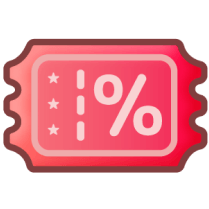
Coupon
A coupon for discounts and shopping deals. On REDnote it appears in big-sale guides, budget-shopping tips and comments pointing followers toward special offers or coupon links.
Shopping Cart
A shopping cart for adding items, planning an order or collecting things you want. Under a tempting REDnote post, ‘my cart is full again’ means the recommendations have made you want to shop.
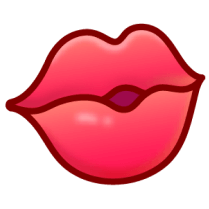
Kiss
A lipstick kiss, like ‘mwah!’ in a Chinese chat. It can convey affection, thanks or playful sweetness, including between close female friends; it is not only romantic.
Gift
A present in a box tied with a bow, ready for a birthday or Christmas.
Birthday Cake
A red birthday cake in REDnote’s style, topped with a single candle.
Direct Message
A private message rather than a public comment. On REDnote it can mean ‘I’ve DMed you’ or ‘check your messages’ when asking for a product link, discussing a collaboration or continuing a conversation privately.
Keep It Civil
A request for civil discussion, especially when comments get heated: disagree if you like, but leave out the insults. It can also set the tone before a potentially contentious post.
Be Kind
A reminder to speak kindly and avoid personal attacks, such as ‘let’s keep this friendly’ after sharing a personal experience. Compared with ‘keep it civil,’ it puts more emphasis on a considerate tone.
The Vibe
氛围感 (fēn wéi gǎn) is the overall atmosphere created by a setting, lighting, styling and mood. On REDnote, saying a café, room or photo has it praises the whole vibe, rather than just one attractive object.
Checklist
A list of things to buy, pack or do. REDnote posts use it for packing lists, product roundups and to-do lists that readers can save and come back to.
Movie
For film reviews, watchlists or inviting a friend to the movies. Next to ‘weekend plans,’ it can simply mean a trip to the cinema.
Student Life
学生党 (xué shēng dǎng) means students as a group. In REDnote shopping posts, it often signals affordable, good-value options for a student budget. It also fits study tips, dorm life and campus outfits.
Rainbow
A rainbow for colorful outfits, a good mood or a hopeful ‘things will brighten up.’ In some contexts it also represents LGBTQ+ communities; the surrounding text helps clarify the meaning.
Mind Blown
An explosion for intense feelings: ‘my brain’s fried,’ ‘I’m furious’ or a shocking piece of news. In a compliment, Chinese expressions like ‘so gorgeous it explodes’ simply mean something looks amazing.
Bomb
A bomb can suggest an explosive revelation, feelings about to boil over or a potential problem. Among friends, it may exaggerate ‘I’m about to explode!’ rather than refer to a real bomb.
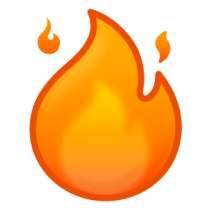
Fire
火 (huǒ), ‘fire,’ also means popular or trending in Chinese. On REDnote it can label a hot product or busy new spot, or praise an outfit or performance as ‘absolutely fire.’
Beer
A beer for drinks, a meal with friends or unwinding after work. It can also mean ‘cheers!’ when celebrating someone’s good news.
Coffee
For cafés, coffee recipes and everyday moments on REDnote. Beside ‘back to work’ or 续命, literally ‘extending my life,’ it jokes about needing caffeine to function: ‘Monday survival coffee.’
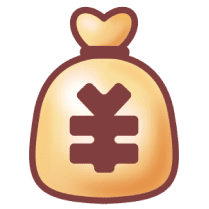
Money Bag
A bag of money for income, budgets or dreams of getting rich. Under a tempting recommendation, ‘my wallet says no’ means you love it but cannot justify the expense. REDnote’s version has the yuan symbol ¥ on the bag.
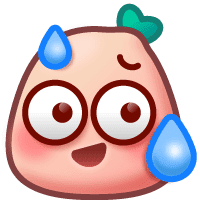
Awkward Sweat
In Chinese chats, sweating can signal nerves, awkwardness, discomfort or being lost for words, rather than feeling hot. Asked a tricky question, it can mean ‘how am I supposed to answer that?’
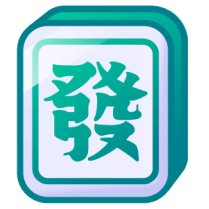
Prosperity
The mahjong character 发 (fā) recalls 发财, ‘make a fortune.’ It is a lucky wish for prosperity at New Year, when returning to work or when celebrating a business. You can also send it to wish yourself financial luck.
Red Envelope
A red envelope for Lunar New Year gift money, festive wishes or celebratory cash gifts. On REDnote it can also flag promotional rewards. Paired with ‘wishing you prosperity,’ it feels like a New Year greeting.
Good Fortune
福 (fú) means good fortune and blessings. It is familiar from Chinese New Year decorations and greetings, and can wish someone luck and a happy, smooth-running life.
Firecracker
A festive firecracker for Chinese New Year, a business opening, a wedding or good news. It fits ‘a prosperous start to work’ or celebrating finally passing an exam or selection process.
Celebration
Confetti for joy and congratulations: birthdays, graduation, passing an exam or reaching a small personal goal. It is an easy way to celebrate someone in the comments.
Fireworks
For New Year celebrations, holidays and fireworks displays on REDnote. It can feel celebratory or romantic; ‘this deserves fireworks’ makes a happy moment feel even bigger.
Balloon
A balloon with birthday, party and celebration vibes. On REDnote it fits decorating ideas, birthday photos and event posts, adding a playful, special-occasion feel.
Watching
A pair of eyes saying ‘I’m watching,’ ‘let me see’ or ‘look here.’ In Chinese comments, paired with ‘waiting for an update,’ it means following along to see what happens next.
New Moon Face
The dark moon face often adds teasing, a sly smile or ‘you know what I mean’ to Chinese messages. It can also sound sarcastic or passive-aggressive; it is not simply a symbol for nighttime.
Full Moon Face
The bright moon face can play innocent, joke around or say ‘just watching, nothing to add’ in Chinese chats. Whether it feels cute or teasing depends on the message.
Poop
In Chinese chats it can call something rubbish or a complete mess, or add a gross-out joke between friends. A cute tone can make it playful, but sending it directly at someone may still offend.
Sun Face
A smiling sun for sunny weather, warmth, a good mood or a friendly greeting. Beside ‘morning!’ it is like sending someone a little sunshine.
Good Night
A good-night wish when heading to bed or ending the day’s chat. On REDnote it can also accompany a bedtime routine: ‘get some rest, good night.’
Star
A star for the night sky, sparkle or something special. It can accompany praise, wishes or a small achievement, without being a fixed slang code. It is also sometimes used to suggest AI.
Rose
In Chinese chats a rose can express love, but also thanks, appreciation or good wishes: ‘here’s a flower for you.’ Sending one after a helpful answer does not have to be a romantic gesture.
Wilted Flower
In Chinese chats a wilted flower can say ‘I’m crushed,’ ‘I’m drained’ or ‘I’ve wilted.’ It is a slightly dramatic way to show disappointment when something you hoped for falls through.
Tulip
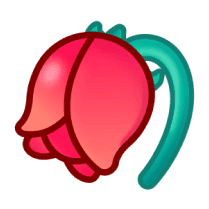
For flowers, spring outings and everyday photos, or simply a little flower offered with affection and good wishes. There is no need to assign a specific flower-language meaning to every message.
Cherry Blossom
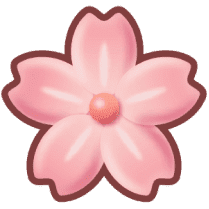
For spring, blossom viewing and travel, or to give a message a soft, cute feel. It fits a spring outfit or a walk through the park.
Dolphin
A dolphin for the animal, beach trips, aquariums and ocean-themed posts. Alone in a chat it usually feels cute and lighthearted, with no fixed Chinese slang meaning.
Magnifying Glass
For searching, finding something or taking a closer look. On REDnote it can highlight a detail in a photo or accompany ‘search this keyword’ and ‘help me find the same one.’
Knife
Besides cooking, Chinese chats use a knife to exaggerate anger or an ‘if looks could kill’ reaction. It may be a joke between close friends, but can feel threatening to someone you do not know well.
Chili Pepper
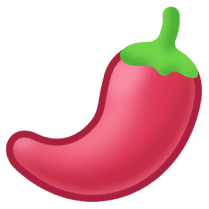
For spicy food or a love of heat. In Chinese style posts, 辣 (‘spicy’) can also describe a sexy, confident look, as in 辣妹穿搭, ‘hot-girl outfits.’
Cucumber
On REDnote, usually a cucumber in recipes, cold salads and fresh, light meals. Any extra joke or innuendo comes from the surrounding message, not the cucumber alone.
Grapes
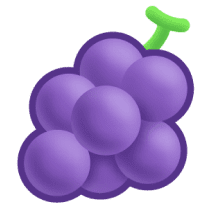
For fruit, grape-flavored drinks or grape-colored fashion and nails. Chinese also has the ‘sour grapes’ saying, but a grape sticker by itself does not automatically mean envy.
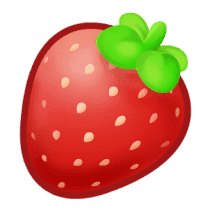
Strawberry
For fruit, desserts, strawberry-colored nails and cute, sweet styling. In Chinese, 种草莓, ‘planting strawberries,’ can also mean leaving a love bite; that reading needs context.
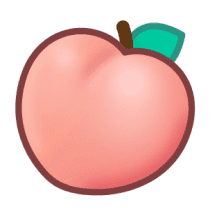
Peach
For peaches, peach flavors, soft peach colors and sweet styling. In some fitness posts or jokes, the shape stands for buttocks; it does not carry that meaning every time.
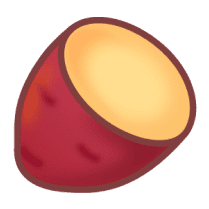
Sweet Potato
On REDnote, 小红薯 (‘little red sweet potatoes’) is also a nickname for users, so the sticker can suggest the platform or its community. In a food post, it may simply mean a baked sweet potato.
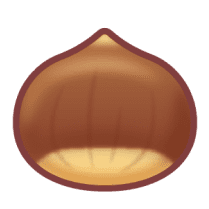
Chestnut / For Example
栗子 (lì zi), ‘chestnut,’ sounds like 例子, ‘example.’ The playful Chinese phrase 举个栗子 therefore means ‘let me give you an example.’ Use it when introducing an illustration or explanation.
Red Heart
For love, thanks, support and care in Chinese chats, not just romance. A red heart after ‘thank you’ is a straightforward way to appreciate someone’s helpful guide.
Yellow Heart
For affection, friendship and warmth, or matching yellow-themed photos, outfits and fan support. Chinese chats do not follow a universal color code for relationships; sometimes yellow is just a favorite color.
Green Heart
For affection, support, plants, nature or a green color theme. Chinese slang sometimes links ‘green’ to being cheated on, but a green heart does not automatically carry that implication.
Blue Heart
For affection and support, or to match blue outfits, ocean themes and fan colors. Its meaning usually comes from the message and occasion rather than a fixed relationship code.
Purple Heart
For affection and support, purple-themed photos or outfits, and fan colors. It is not a fixed relationship signal; liking purple is reason enough to use it.
Pink Heart
A soft, cute way to show affection, a crush, gratitude or ‘sending you love.’ It also fits compliments between friends and comments on posts you enjoy.
Two Hearts
Two hearts for closeness, affection and sweetness between friends or partners, or in cute everyday posts. They add a little ‘love you!’ feeling.
Light Skin Tone
A light skin-tone modifier, normally used to change supported people or hand emojis. It does not express an emotion or a fixed Chinese internet slang meaning on its own.
Medium-Light Skin Tone
A medium-light skin-tone modifier for supported people or hand emojis. It is not an emotion or a fixed Chinese slang expression by itself.
Medium Skin Tone
A medium skin-tone modifier for supported people or hand emojis. It is not an emotion or a fixed Chinese slang expression by itself.
Medium-Dark Skin Tone
A medium-dark skin-tone modifier for supported people or hand emojis. It is not an emotion or a fixed Chinese slang expression by itself.
Yes, Me Too
The character 有 means ‘have’ or ‘there is.’ In Chinese comments, it can answer ‘anyone else?’ with ‘yes, me!’ or ‘same here.’ It can also literally answer whether someone has an item.
Approved
The character 可 is a short Chinese ‘yes,’ ‘that works’ or ‘I like it.’ Under an outfit or product post, it can mean ‘this look gets my approval’ or ‘worth picking up.’
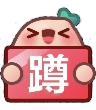
Waiting for an Update
蹲 (dūn) literally means ‘squat,’ but in Chinese comments it means leaving a message to wait for an update, a link or an answer. On REDnote, ‘waiting here for the same item’ asks the creator to share shopping details.
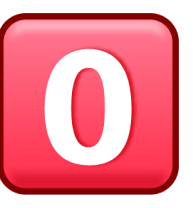
Zero
The number 0 for quantities, dates or numbering, alone or combined with other digits. In Chinese chats it can emphasize ‘zero experience’ or ‘starting from scratch.’
One
For a quantity or list number. In Chinese comments, when someone says ‘type 1 if you agree,’ replying with it shows agreement, support or participation.
Two
For quantities, dates or rankings, alone or with other digits. Chinese slang sometimes uses 二, ‘two,’ to mean silly or goofy, but the digit alone does not necessarily imply that.
Three
For quantities, steps, dates or rankings, alone or combined with other digits. It has no single standard Chinese chat meaning on its own.
Four
For quantities, steps, dates or rankings, alone or with other digits. Whether it is counting or part of a sound-based joke depends on the text.
Five
For quantities or numbering, or as part of a numeric phrase. In Chinese, 520 sounds like ‘I love you’; the 5 belongs to that whole sequence, while alone it is usually just five.
Six / Impressive!
Besides counting, repeated sixes, ‘666,’ praise skill or a great move in Chinese internet slang: ‘that was awesome!’ The same expression can be teasing in a different context.
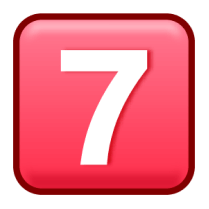
Seven
For quantities, dates, numbering or rankings, alone or combined with other digits. Normally, reading it as seven is enough.
Eight / Bye-Bye
Besides counting, eight can suggest prosperity in Chinese because its sound resembles 发, ‘make a fortune.’ Written as ‘88,’ it can also mean ‘bye-bye’ in chats.
Nine
For quantities, dates or numbering. In Chinese, nine sounds like 久, ‘lasting,’ so it can suggest a wish for something to last; a lone nine does not always have that meaning.
Plus One / Same Here
加一 (jiā yī), ‘plus one,’ means ‘same here,’ ‘I agree’ or ‘count me in’ in Chinese comments. If someone asks for a product link, replying +1 means you want it too, without repeating the request.
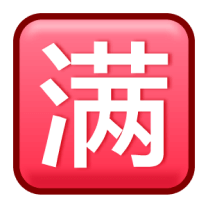
Full / Maxed Out
The character 满 means full. It can mark no places left, something at maximum or a phrase like ‘full of sincerity.’ The message determines whether it refers to capacity, mood or something else.
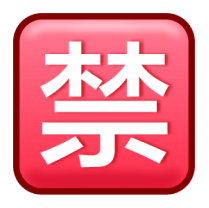
Not Allowed
The character 禁 means forbidden. It can announce a rule or jokingly tell friends ‘no more late nights’ or ‘stop tempting me to buy things!’ The tone determines how serious it is.
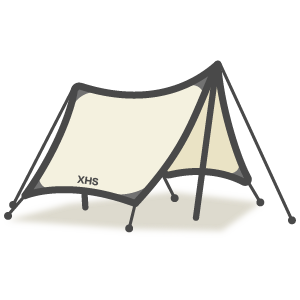
Camping Tarp
A camping canopy held up by poles and guy lines, making a shaded place to rest. On REDnote it fits camping gear lists, campsite setups and outdoor gatherings.
Portable Gas Stove
A small stove powered by a portable gas canister. On REDnote it marks camping gear, outdoor cooking or a meal gathered around a tabletop stove.
Folding Chair
A chair that folds up for easy carrying. On REDnote it fits camping, fishing and relaxing outdoors, or a post about finding somewhere to sit for the whole afternoon.
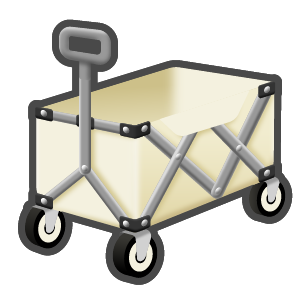
Camping Wagon
A wagon for hauling gear from the parking area to a campsite. Use it for camping equipment, transporting luggage and outdoor packing; its role differs from a shopping cart.
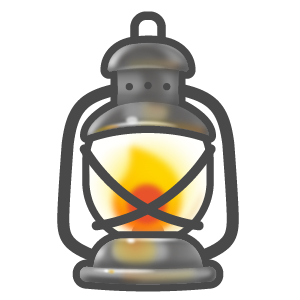
Camping Lantern
A small camping light. Besides gear reviews, REDnote posts use it for nighttime campsites, tent setups and outdoor dinners, evoking the cozy glow of camp life.
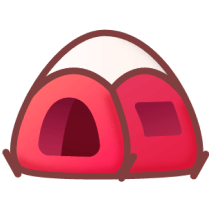
Camping
On REDnote it can mean pitching a tent and spending the night at a campsite, or more broadly a weekend outdoors. It labels gear, campsite tips and camping diaries.
Bucket Hat
A hat with a brim all the way around. On REDnote it fits outfit ideas, sun protection and outdoor gear, whether for camping, travel or everyday wear.
No emojis found.
This page is a third-party showcase of emojis used on the REDnote app. "REDnote" is a registered trademark of GALAPAND HOLDING PTE. LIMITED. This website is not affiliated with, endorsed by, or officially connected to REDnote.
 EmojiCenter