From Smile and Facepalm to Doge and watching the drama, discover what WeChat emojis mean in Chinese conversations. Search, read the context and copy a code.
Paste the original code into a WeChat chat input after copying. These are WeChat emoji images, not universal Unicode emojis. Codes stay in their original language.
116 emojis · Pictures, meanings & codes
Smile
A small smile can read very differently across generations. Some younger Chinese users send it to show they are speechless or keeping a polite distance; some older users simply mean a friendly smile. Your relationship and the conversation make all the difference.
Pout
A downturned mouth suggests disappointment, dissatisfaction or feeling a little wronged. Use it when things have not gone your way, or to convey a hard-to-describe bitterness.
Heart Eyes
Heart-shaped eyes and a little drool show attraction to someone, delicious food or something you really want. Among friends, it is an exaggerated “so gorgeous” or “I need that.”
Blank Stare
Wide eyes and a frozen expression suggest your brain has briefly stopped working. Good for zoning out, going blank or needing a moment to process unexpected news.
Smug
Sunglasses and a confident look say “I've got this.” Use it for a little brag, showing off a result or joking about how capable you are.
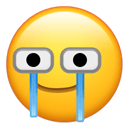
Tears
Tears can mean sadness, being moved or feeling hurt. In chat, they also soften complaints such as “why is it always me?” without implying actual crying.
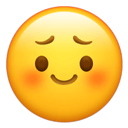
Shy
Blushing cheeks and a bashful smile convey embarrassment, a crush or shyness after a compliment. They also add warmth to thanks, requests and flirty messages.
Lips Sealed
A sealed mouth says “I'll stop talking” or “your secret is safe.” It can mean you know nothing, or that it is wiser to say a little less.
Asleep
Closed eyes and sleep marks say bedtime, extreme tiredness or being away from chat. As a joke, it can also mean the topic is putting you to sleep.
Sobbing
A stronger outpouring than ordinary tears: sadness, feeling overwhelmed or falling apart. It is also used dramatically for “this is so hard,” laughing until you cry or being deeply touched.
Awkward
A flushed face and a bead of sweat capture not knowing what to say. Useful after saying the wrong thing, mistaking someone's identity or an awkward silence; it can soften an explanation.
Angry
Furrowed brows and a glare express anger or irritation directly. With friends it may be a playful protest; in a serious argument it can make the message feel much harsher.
Playful
A wink and a tongue-out face mean “just kidding,” teasing or acting cute. Often added after a joke to signal that it should not be taken too seriously.
Toothy Grin
A full row of teeth makes the happiness obvious. It can convey cheer, a joke or a little embarrassment, with a playful “hehe, you caught me” feel.
Surprised
Wide eyes and an open mouth express a genuine “I didn't expect that.” Send it for surprising news, a “really?” or to give an exclamation extra emphasis.
Sad
Drooping brows and a downturned mouth show sadness or disappointment quietly. Less intense than sobbing, it suits regret, missing someone or an off day.
Embarrassed
The awkward face echoes 囧, a Chinese character used online for embarrassment or helplessness. It fits small mistakes and absurd moments: “well, this is awkward.”
Frustrated
At breaking point and ready to scream: frustration, stress or being driven up the wall. Common when deadlines loom, errors keep happening or something still will not work.
Sickened
Covering the mouth to retch conveys nausea, disgust or feeling physically ill. It can exaggerate “I can't stand this,” but sent straight at someone it may feel unkind.
Secret Giggle
A hand hides a little laugh: amusement, quiet satisfaction or spotting something funny. More restrained than a big laugh, often with gentle teasing.
Happy
Closed eyes, rosy cheeks and a soft smile convey ease, contentment and happiness. A warm response to good news, a thank-you or a friendly chat.
Eye Roll
Looking upward conveys being speechless, unconvinced or unwilling to argue. It can be banter between friends, but people you do not know well may read impatience into it.
Haughty
A dismissive upward glance suggests pride, aloofness or refusing to give in. Often an exaggerated pose in chat: “I'm not backing down.”
Sleepy
Heavy eyelids and a slightly open mouth say you are drowsy, drained or barely staying awake. Good for late nights, early starts and very long meetings.
Panicked
A red face and sweat look like sudden trouble has struck. It can express anxiety or fear, or a dramatic “oh no, now what?”
Goofy Grin
A slightly silly grin feels happy, earnest and a little bashful. It is a friendly “hehe,” useful after a compliment or in relaxed conversation.
Chilling
A green helmet and a calm expression say you are taking it easy, unworried or just waiting to see what happens. An older design had a cigarette 🚬 in its mouth before changing to this version.
Cursing
An angry open mouth stands in for a furious complaint or words you would rather not type. It can replace swearing, but may escalate the tone in a dispute or formal exchange.
Questioning
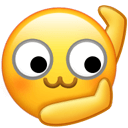
A tilted head and a question mark ask “what do you mean?” or “are you sure?” It can be genuine confusion, a follow-up question or noticing something does not add up.
Shh
A finger to the lips asks for quiet, secrecy or a lower voice. It can also create a playful “let's keep this between us” mood.
Dizzy
Spiralling eyes suggest dizziness, confusion or information overload. Common when a process is convoluted or something makes no sense at all.
Down on My Luck
A battered-looking face conveys bad luck, low spirits or being in poor form. A light, self-deprecating “today is not my day,” rather than a solemn complaint.
Skull
A skull can dramatize being scared, exhausted or “dead.” In casual chat it may also mean laughing so hard you are done; use care around sensitive subjects.
Bonk
A hammer landing on a head is a wake-up call: “pay attention” or “snap out of it.” Friends also use it as a playful protest against teasing.
Goodbye
A raised hand says goodbye, “talk later” or that you are leaving. Friends sometimes use it for a joking exit when the conversation has become impossible.
Wiping Sweat
Wiping the forehead can mean embarrassment, relief after a scare or struggling with a tricky situation. Think “that was close” or “I have no idea how to answer that.”
Picking My Nose
Casually picking a nose suggests indifference, disbelief or deliberately acting unbothered. A teasing gesture best suited to people you know well.
Applause
Clapping hands show agreement, congratulations or “well done.” It can also be sarcastic, so pairing it with clear praise helps your friendly intent come through.
Mischievous Grin
A toothy, sly smile hints at a plan, teasing or keeping someone guessing. It gives a joke a knowing “you know what I mean” undertone.
Hmph, Right
Turning the face away suggests sulking, mock anger or refusing to give in. A playful protest between close friends: “I'm not listening” or “hmph, not talking to you.”
Disdain
Hands by the mouth and a dismissive look suggest disapproval, contempt or disbelief at someone's bragging. Even as a joke, it can offend people you do not know well.
Feeling Wronged
Lowered brows and pressed lips say something feels unfair or you have been misunderstood. It can ask for comfort, often with a slightly pleading, affectionate tone.
About to Cry
Tear-filled eyes and a drooping mouth suggest hurt, being moved or reaching an emotional limit. An “I'm actually going to cry,” sometimes exaggerated to ask for help.
Sly
Narrowed eyes and a sneaky smile suggest scheming or playfully plotting mischief. With friends it often means “my plan worked,” without any real ill intent.
Kiss
Closed eyes and puckered lips send a kiss, affection or warmth. Common with partners, family and close friends, and also a way to say an enthusiastic thank-you.
Puppy Eyes
Shiny eyes and a pitiful expression ask for sympathy, reassurance or help. Often a cute, pleading “pretty please?” rather than serious distress.
Beaming
An open, happy smile conveys uncomplicated good cheer. Good for everyday replies, sharing happy news or making a short message feel friendlier.
Ill
A face mask suggests feeling unwell, being ill or needing rest. It may also remind someone to take precautions; actual symptoms are better explained in words.
Blushing
Wide eyes and red cheeks express shyness, surprise or sudden embarrassment. A natural reaction to a compliment, being found out or a flirty remark.
Tears of Joy
Usually means something is hilarious and you cannot stop laughing. The Chinese name literally suggests smiling through tears, but everyday chat more often uses it for a big laugh.
Terrified
A pale face and a wide-open mouth show intense fear or shock. It is also a dramatic response to a startling price, surprising news or a sudden problem.
Disappointed
Closed eyes and a lowered head suggest unmet expectations, regret or low energy. It can be a resigned “oh, so that's how it is,” or gentle self-deprecation.
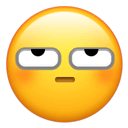
Speechless
Half-closed eyes and a slightly open mouth say you have no words, no energy to explain or are simply worn out. It does not necessarily mean you are angry at the other person.
Hey-Ha
A raised arm makes a light, playful greeting or a cheerful response. It can say “hey, I'm here,” join in a joke or show you are going along with something.
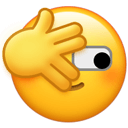
Facepalm
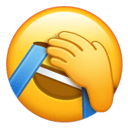
A hand over the face conveys embarrassment, helplessness, mixed laughter and tears, or “I can't watch.” Used for your own small mistakes or a gentle dig at a friend's antics.
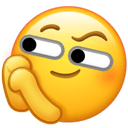
Knowing Smirk
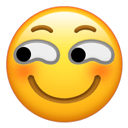
A sly smile suggests quiet satisfaction, a new idea or a joke in the making. Similar to the mischievous grin, but with more of a knowing “I see what's going on.”
Clever
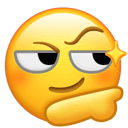
A sparkle ✨ by the eye and a pointing finger give a knowing “you get it” feel. It can signal shared understanding or jokingly congratulate yourself on a clever idea.
Frowning
Knitted brows show worry, doubt or a sense that something is not right. A response to troubling news, or a gentle way to signal disagreement.
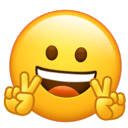
Yay
Two victory signs and a big smile celebrate success, a finished task or a good mood. Also works as a cheerful pose for a photo or a playful exchange.
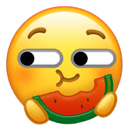
Watching the Drama
Holding a watermelon signals following gossip or watching a story unfold without joining in. In Chinese internet slang, 吃瓜 means being an onlooker, not necessarily eating fruit.
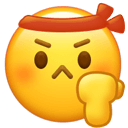
You Can Do It
A headband and clenched fist cheer someone on: encouragement, support and keeping going. Send it to a friend or to motivate yourself through a busy or difficult day.
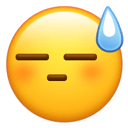
Sweat Drop
A bead of sweat and a stiff expression convey embarrassment, stress or being caught without an answer. A mild “what am I supposed to say to that?”
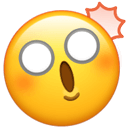
Oh My God
Wide eyes and a startled effect show amazement, shock or disbelief. Works for wonderful news as well as a dramatic “how did this happen?”
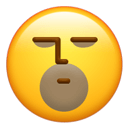
Emm
Half-closed eyes and what looks like a patch of unshaven stubble give it a slightly 🗿-like face. Often means being thoroughly speechless or having no idea what to say.
Respect, Respect
A fist-and-palm salute adds a joking touch of old-school Chinese street courtesy. Often means “respect” or “I wouldn't mess with you” after an impressive move, not a serious judgment.
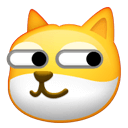
Doge
A Shiba Inu with a knowing face often flags a joke, self-mockery or irony. It can soften teasing, but the accompanying words still determine whether the message is sarcastic.
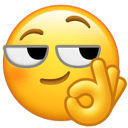
Got It
An OK gesture says “received,” “understood” or “agreed.” A little more relaxed and cooperative than a plain “OK,” sometimes with friendly teasing mixed in.
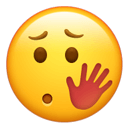
Proved Myself Wrong
A handprint on the face suits self-mockery when reality contradicts what you just said. If you announce a firm resolution and immediately change your mind, this is your “well, that aged badly.”
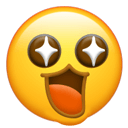
Wow
Sparkling eyes and an open mouth show delight, admiration or a lovely surprise. An enthusiastic response to photos, achievements and good news.
Rolling Eyes
An upward glance conveys exasperation, impatience or not buying what is being said. Light banter with friends, but potentially rude in a serious exchange.
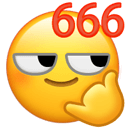
666: Nicely Done
In Chinese chat, 666 is praise for skill, a brilliant move or an impressive result. Use it for gaming, work wins or everyday ingenuity, sometimes as playful over-the-top applause.
Let Me See
A hand shading the eyes shows curiosity and wanting a closer look. Think “send it over,” “let me check” or eagerly following what is going on.
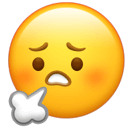
Sigh
A gentle exhale suggests fatigue, regret, resignation or finally feeling relieved. Good for everyday setbacks or a quiet “oh well, let's leave it there.”
Bitter Smile
Smiling through tears captures keeping it together while hurting, reluctantly accepting something or finding humor in hardship. “I'm fine on the outside, falling apart inside.”
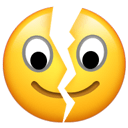
Falling Apart
A smiley splitting in half dramatizes shock, overwhelm or a total loss of composure. Chinese online slang for “I'm breaking,” usually exaggerated rather than a sign of serious distress.
Lips
Red lips send a kiss, affection or a little flirtation. Best for close relationships, or paired with thanks and warm wishes to send someone a kiss.
Heart
A red heart expresses love, care, gratitude and support. It works for partners, friends and family, or as a warm response to something you appreciate.
Broken Heart
A heart split in two conveys sadness, disappointment or crushed hopes. It is also used playfully for missed tickets or food you did not get to try.
Hug
A little figure opens its arms to offer comfort, encouragement, affection or “I miss you.” A virtual hug when someone is down, or joy at seeing them again.
Thumbs Up
A raised thumb means agreement, recognition or “that's impressive.” Praise a result, support an opinion or send a quick “well done.”
Thumbs Down
A lowered thumb signals disagreement, a weak performance or dissatisfaction with a result. It can be banter among friends, but feels pointed when aimed directly at someone's work.
Handshake
Two clasped hands mean agreement, cooperation, a formal greeting or reconciliation. They also suit thanks and a friendly sign-off. Some joke that the left side looks like a foot, with the other hand holding it.
Victory
Two raised fingers mark success, agreement or an easygoing mood. Celebrate a result, or simply strike the familiar peace-sign pose used in photos.
Fist-and-Palm Salute
One hand covers a fist in a traditional Chinese greeting. It conveys thanks, respect, a request or a courteous hello, with a touch of martial-arts-story charm.
Come Here
A curled finger beckons someone closer. The Chinese name is teasingly suggestive, but everyday use can simply mean “come here” or “take a look,” without flirting.
Fist
A clenched fist conveys strength, resolve, support or mutual encouragement. Friends may use it like a fist bump; in an angry exchange it can look like a warning.
OK
The familiar finger gesture means “yes,” “no problem” or “understood.” A concise way to confirm plans or agree to a request.
Palms Together
Joined palms express thanks, a request, good wishes or prayer. The context decides whether it means “please,” “I'm grateful” or wishing someone well.
Beer
A foamy beer stands for drinks, a get-together or “cheers.” It also celebrates good news, dinner plans or a relaxed weekend, without necessarily inviting anyone to drink right away.
Coffee
A hot coffee suits morning greetings, a break or needing a boost. It can accompany work chat, a catch-up or a casual “let me buy you a coffee.”
Cake
A candle-topped cake mainly sends birthday or anniversary wishes. Add words to say who or what you are celebrating. In WeChat chat, greetings such as “生日快乐” or “Happy Birthday” can also trigger cakes falling from the top of the screen.
Rose
A red rose conveys affection, thanks, admiration or good wishes. In chats with friends and family, it is often a warm little gift rather than a declaration of love.
Wilted Rose
A drooping rose suggests disappointment, regret, romantic hurt or the end of something lovely. It can also be a lighthearted “there goes my happiness.”
Kitchen Knife
A cleaver can literally mean cooking, or serve as an exaggerated “don't push me” between friends. Because it can read as anger or a threat, the relationship matters.
Bomb
A lit bomb suggests explosive news, boiling-over emotions or a dramatic “this is going to blow up.” It also adds humor to a complaint. Sending this emoji in WeChat chat produces an explosion animation.
Poop
A pile of poop conveys distaste, a complaint or a terrible situation. Among close friends, it may simply be silly, absurd humor.
Moon
A crescent moon with stars suits goodnight messages and bedtime. With gentle words, it can also convey quiet, missing someone or keeping them company from afar.
Sun
A smiling sun means sunshine, good morning, energy and a cheerful mood. Use it to encourage someone or warm up an everyday greeting.
Celebration
Confetti and streamers mark congratulations, birthdays, good news and completed projects—any small win worth celebrating. Sending this emoji in WeChat chat also produces a falling-confetti animation.
Gift
A wrapped present suggests giving, a surprise or warm wishes. It can hint at good news, something thoughtful you have prepared or a surprise you are hoping for.
Red Envelope
A red envelope suggests good wishes, festive luck or talking about gifting money. This emoji is only an image: it does not send or receive any actual money.
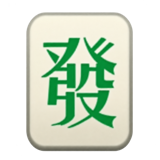
Prosperity
The green 發 on a mahjong tile plays on 發財, “to prosper.” It wishes wealth, luck and success for Lunar New Year, a business opening or the return to work: a cheerful “may you prosper!”
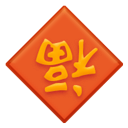
Good Fortune
福 means good fortune, peace and blessings. Here it is upside down: in Chinese, “fortune is upside down” sounds like “fortune has arrived.” Use it for Lunar New Year, celebrations or wishing life goes smoothly.
Fireworks
Blooming fireworks convey celebration, excitement and looking forward to good times. Common for New Year and happy milestones. Sending this emoji in WeChat chat also triggers a fireworks animation.
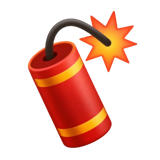
Firecracker
A red firecracker with a lit fuse brings the lively, lucky mood of Lunar New Year. Use it for the holiday, returning to work or celebrating good news. Sending [爆竹] in WeChat chat triggers an explosion animation.
Piggy
A pink pig face can mean cuteness, loving food or being a little muddled. Often affectionate teasing between friends; how sweet it feels depends on your relationship.
Jumping
A happy little penguin bounces with excitement and cannot sit still. Good for welcome news, something you have been waiting for or a lively bit of chat.
Shivering
A hunched, trembling penguin expresses fear, nerves, cold or not knowing what to do. Often a self-mocking, exaggerated “I'm shaking over here.”
Spinning
A penguin turns in circles with joy or excitement, or because everything feels hectic. Celebrate a small win, or joke that you are running around in a daze.
Fuming
Older hidden emoji
A penguin cries out in frustration, anger or pent-up irritation. It exaggerates a complaint about a bad day. Hidden from the WeChat emoji panel, it can still be brought up by entering its shortcode.
Hmph, Left
Older hidden emoji
Turning away in the opposite direction conveys sulking or mock anger, pairing with Hmph, Right. Hidden from the WeChat emoji panel, it can still be brought up by entering its shortcode.
Determined
Older hidden emoji
A serious face and a headband show resolve, hard work or cheering yourself on. Hidden from the WeChat emoji panel, it can still be brought up by entering its shortcode.
Keep Fighting
Older hidden emoji
A mask and a headband accompany an encouraging gesture of support and perseverance. Hidden from the WeChat emoji panel, it can still be brought up by entering its shortcode.
Sweat, Classic
Older hidden emoji
An uneasy face suggests nerves, embarrassment or being so busy you are sweating. Hidden from the WeChat emoji panel, this older design can still be brought up by entering its shortcode.
Watermelon
Older hidden emoji
A slice of watermelon suggests fruit, summer, cooling off or wanting a snack. It is separate from the gossip-watching watermelon face. Hidden from the WeChat emoji panel, it remains accessible by shortcode.
Yawn
Older hidden emoji
An open-mouthed yawn means sleepy, drained or ready for a rest. It can gently complain about a long wait. Hidden from the WeChat emoji panel, it is still accessible by entering its shortcode.
No matching emojis. Try another keyword.
An unofficial WeChat emoji guide, not affiliated with WeChat or Tencent. Emoji images and trademarks belong to their respective rights holders. Animation descriptions refer to effects inside WeChat chats; those effects do not play on this page.